

Cévennes
a wine region with a strong identity
Everything about the PGI Cévennes wine designation –
its history, community, geology and climate – is embedded in a wine region with very deep-rooted and unique features.
Read on to find out more!
PGI Cévennes and its geography
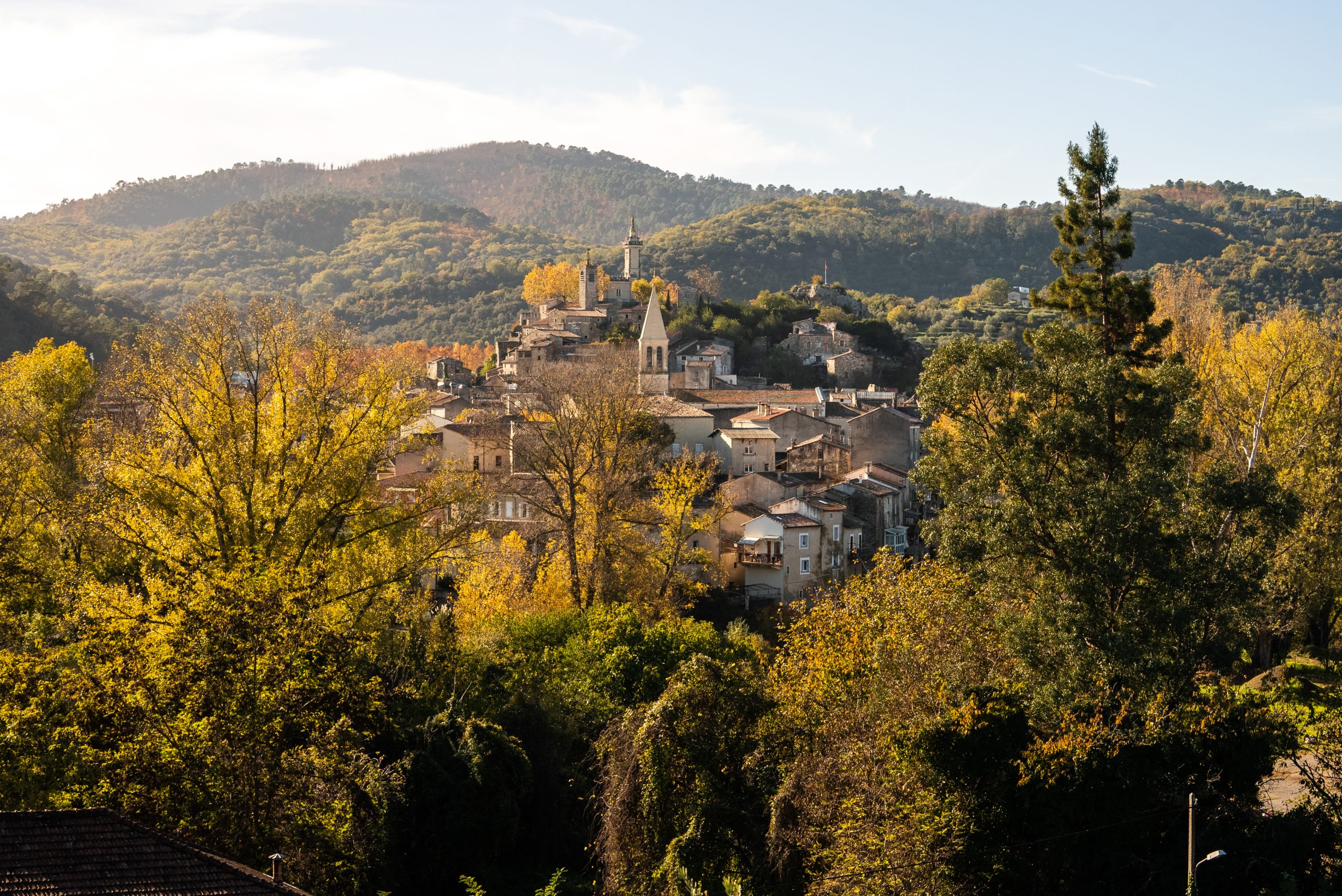
The Cevennes mark the north-western boundary of the Languedoc wine region. Nestled in the mountain foothills, some vine blocks share the land with other crops such as sweet Cevennes onions and with livestock farming. This provides a long-term future for pastoralism among the vineyards of the Cevennes. Located on the border with Ardèche, the landscapes are varied and offer a range of both plains, hills and mountains, including the famous Mont Aigoual and its lofty peak, 1,565 metres above sea level.
Colors
Rouge
40 %
Rosé
40 %
Blanc
20 %
Main grape varieties
Autorized for the Reds
- Carignan
- Grenache
- Merlot
- Mourvèdre
- Cinsault
Main grape varieties
Authorized for the Rosé
- Carignan
- Grenache
- Merlot
- Mourvèdre
- Cinsault
Main grape varieties
Authorized for the Whites
- Bourboulenc
- Sauvignon Blanc
- Macabeu
- Viognier
- Vermentino
terroir
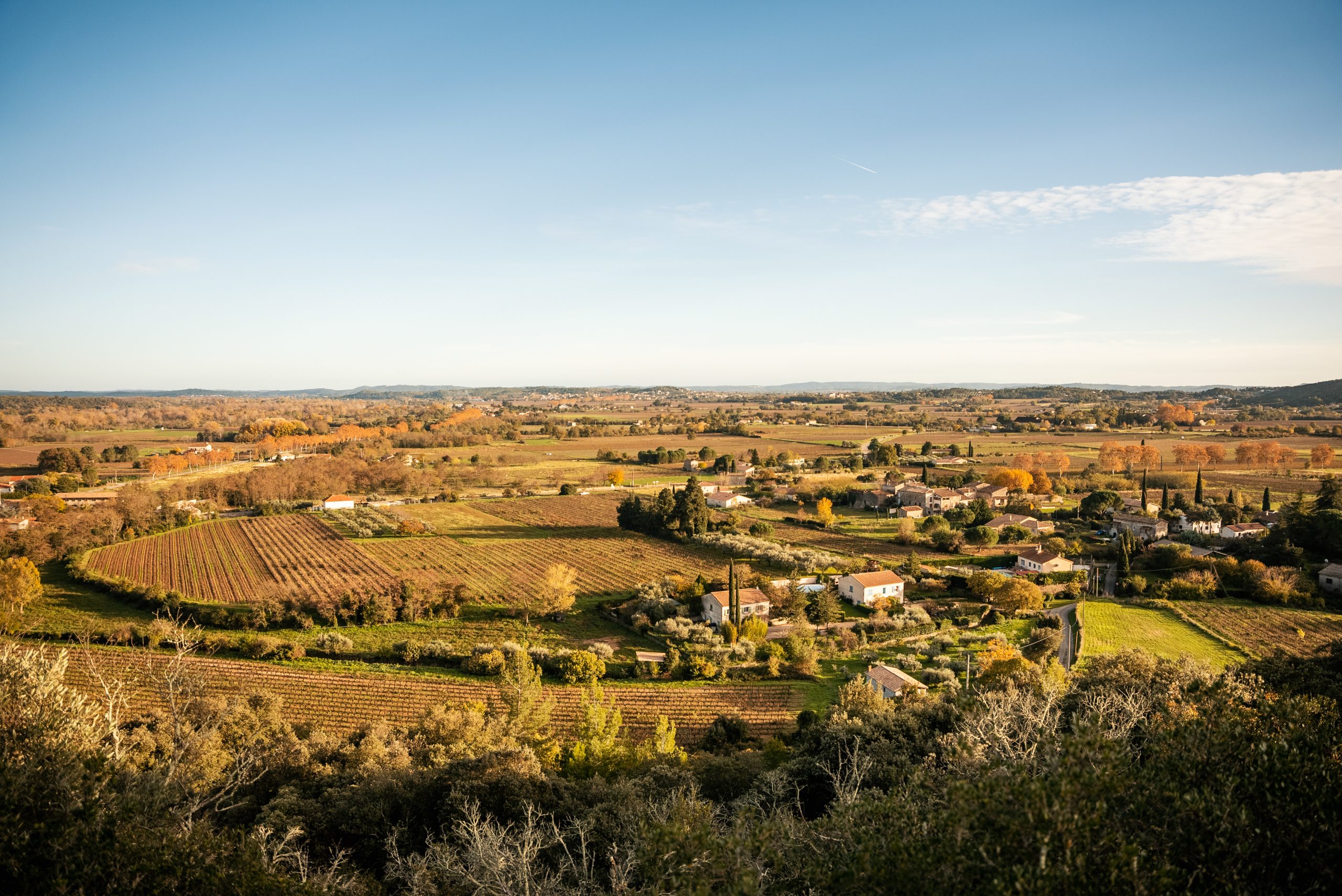
The geology in the Cevennes wine region combines a mosaic of different soils and sub-soils, formed of layered schist, hard limestone, red sandstone or grey marl, for example. But one of its major characteristics has to be the climate – there are fairly clearly defined seasons with intense and sometimes very sudden rainfall, known as Cevennes flash floods, during the equinoxes. Relatively high elevations also promote cool nights during the ripening season, a feature that is very conducive to balance in the grapes and subsequently the wines.
This benefits wines across all three colours and results in great freshness on the palate. Ultimately, Cevennes wines are réboussisers* or uncompromising – like their makers they are cutting-edge, innovative and rebellious, yet retain a broad array of quality aromatics.
* ‘Réboussier’ means someone who is “always prepared to swim against the tide, to fail to comply because they have a deep-rooted attachment to freedom of choice and free will”. Nîmes-born writer Jean Paulhan.

History
The history of winegrowing in the Cevennes is unique due to its social and libertarian dimension and its tradition of resistance in a ‘country’ that has experienced, among other things, religious persecution. PGI Cévennes, in the northern part of Languedoc, used to be part of a culture of mixed farming, combining production of wine with cereals, olive oil and fruit. Present-day winegrowers have now developed agro-forestry amidst their vine blocks. This goes beyond olive trees surrounded by vineyards – there are melliferous flowers that pollinators can forage among, or hedges providing habitats for biodiversity.