

Côtes de Thongue
where quality is a given
Forget beach wines!
PGI Côtes de Thongue has a noble virtue and that is to produce wines with a distinctive, shared character but where each one also expresses a unique identity stemming from the variety of vineyard sites, and the signature style of the winegrower.
PGI Côtes de Thongue and its geography
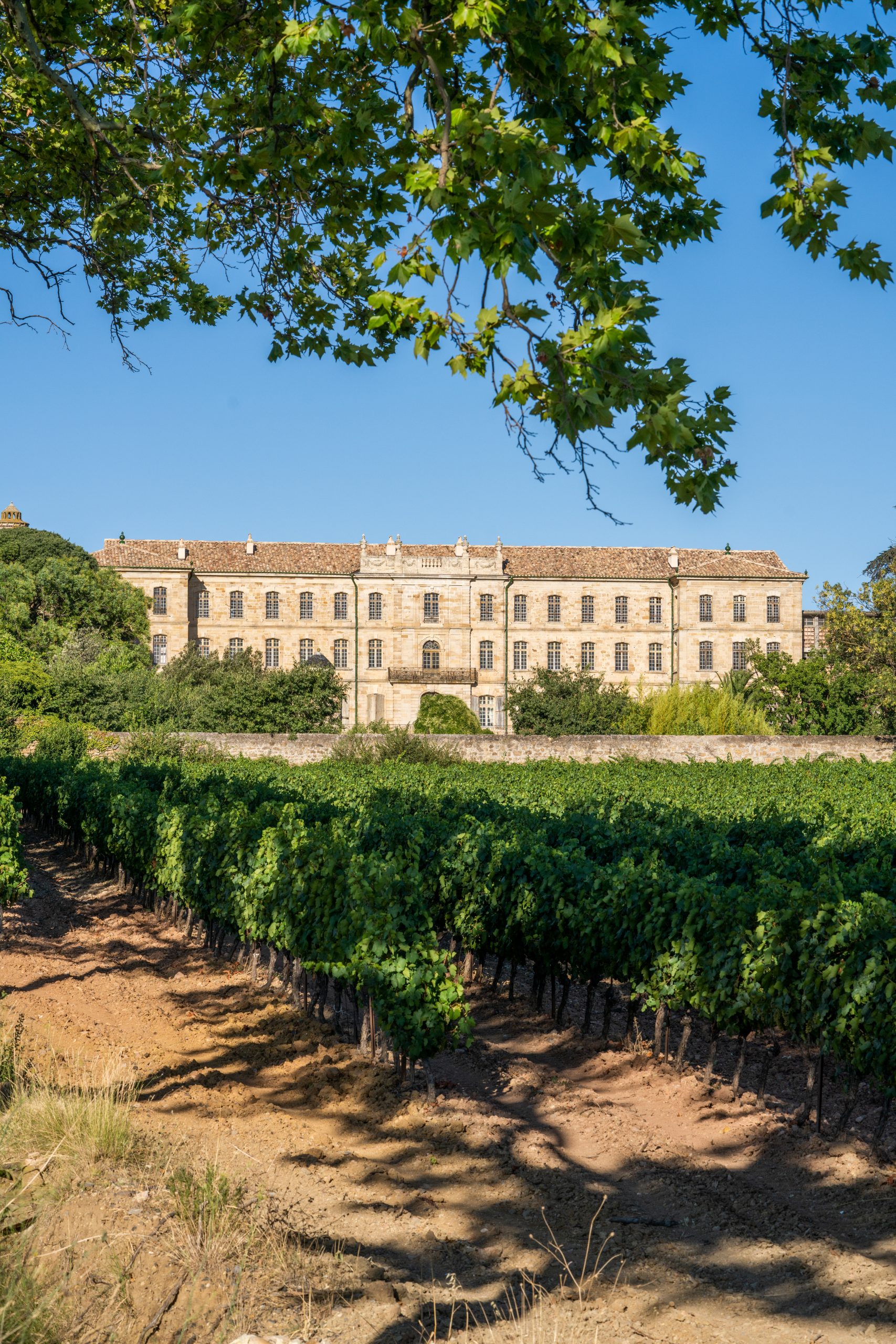
The Côtes de Thongue wine region extends from Béziers to Pézénas in the heart of the Hérault area. It is named after the river Thongue, which rises near Fos and which, at the end of its journey, swells the river Hérault. The terrain across its landscape can be rugged with varying elevations but it is typically Languedoc in appearance, divided between vines and wild vegetation that is endemic to the region.
Colors
Rouge
28 %
Rosé
42 %
Blanc
30 %
Main grape varieties
Autorized for the Reds
- Cabernet Sauvignon
- Cabernet Franc
- Côt
- Syrah
- Merlot
Main grape varieties
Authorized for the Rosé
- Meunier
- Pinot Gris
- Pinot Noir
- Cabernet Sauvignon
- Merlot
Main grape varieties
Authorized for the Whites
- Chardonnay
- Sauvignon Blanc
- Viognier
- Pinot Blanc
- Chenin Blanc
terroir
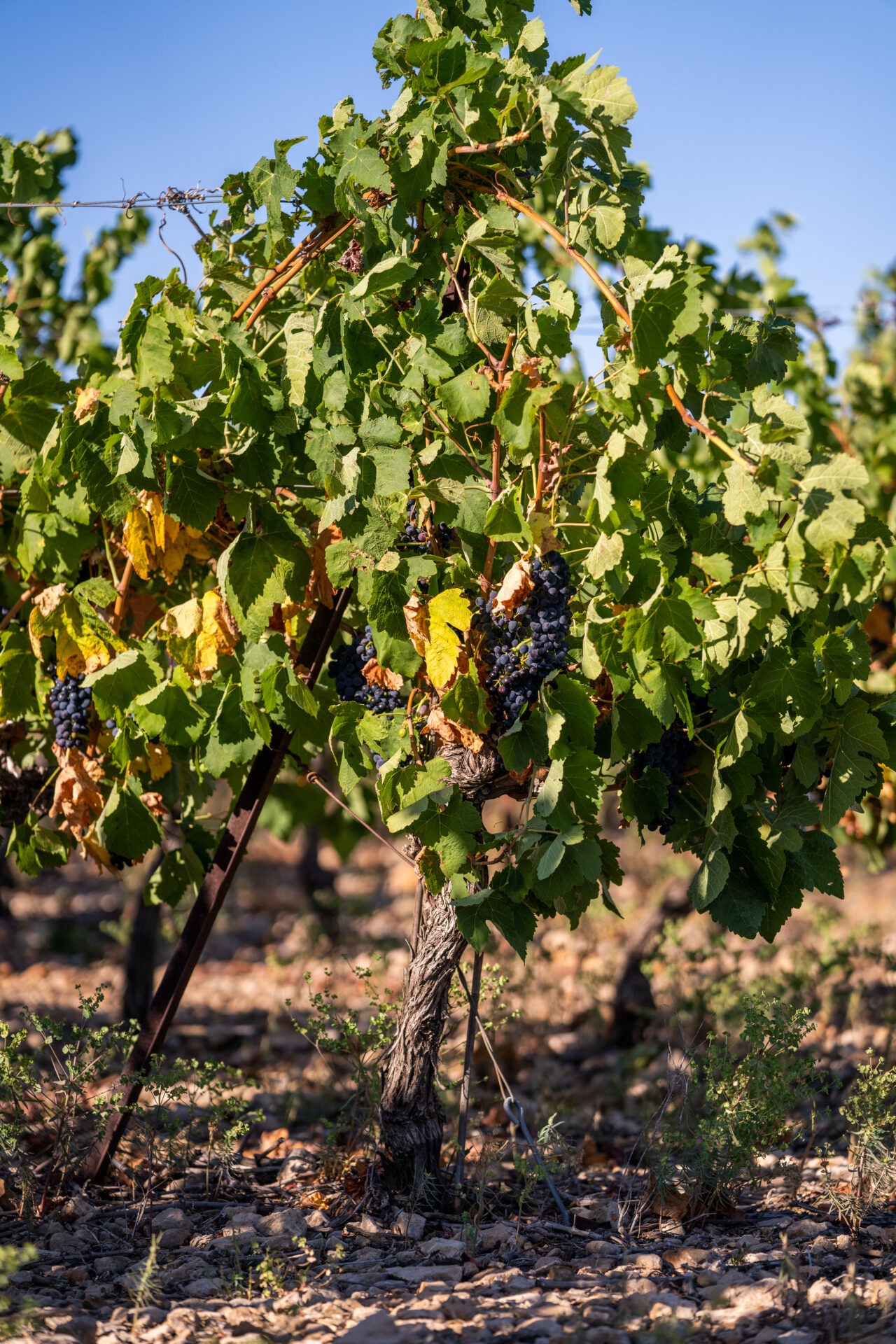
The vineyards of Côtes de Thongue bask in a fairly typical Mediterranean climate, embracing multiple soil types due to the substantial variety of geological formations. Without drilling down deeper, suffice it to say that the vines put down roots in three major soil types – sandy and gravelly marl in the North and East; clay in the central part; and stony terraces dating from the Villafranchian age in the South.
Nearly 120 grape varieties are permitted here, although the backbone of most of the wines draws on a dozen or so varietals, some of them Languedoc born and bred, others from Bordeaux or Burgundy. If you add to this geological and varietal spectrum the winegrower’s signature style, you get wines spanning an array of profiles, both the reds and the whites, though all of them boast the same exciting aromatic complexity.

History
Set between the coastal area and the most southerly fringe of Upper Languedoc, this region has been a significant crossroads, via the Domitian way for instance, since Roman times. It is therefore little surprise that it should have developed as a wine region at such an early stage. It also experienced a significant boom in the 19th and 20th centuries, when the region was renowned for its brandies, before focusing more intently on wine starting from 1850.