

Gard
a region bathed in light
With its variety of vineyard sites, grape varieties and wines,
PGI Gard reveals a multi-faceted persona,
whilst at the same time displaying an unmistakable Mediterranean character.
PGI Gard and its geography
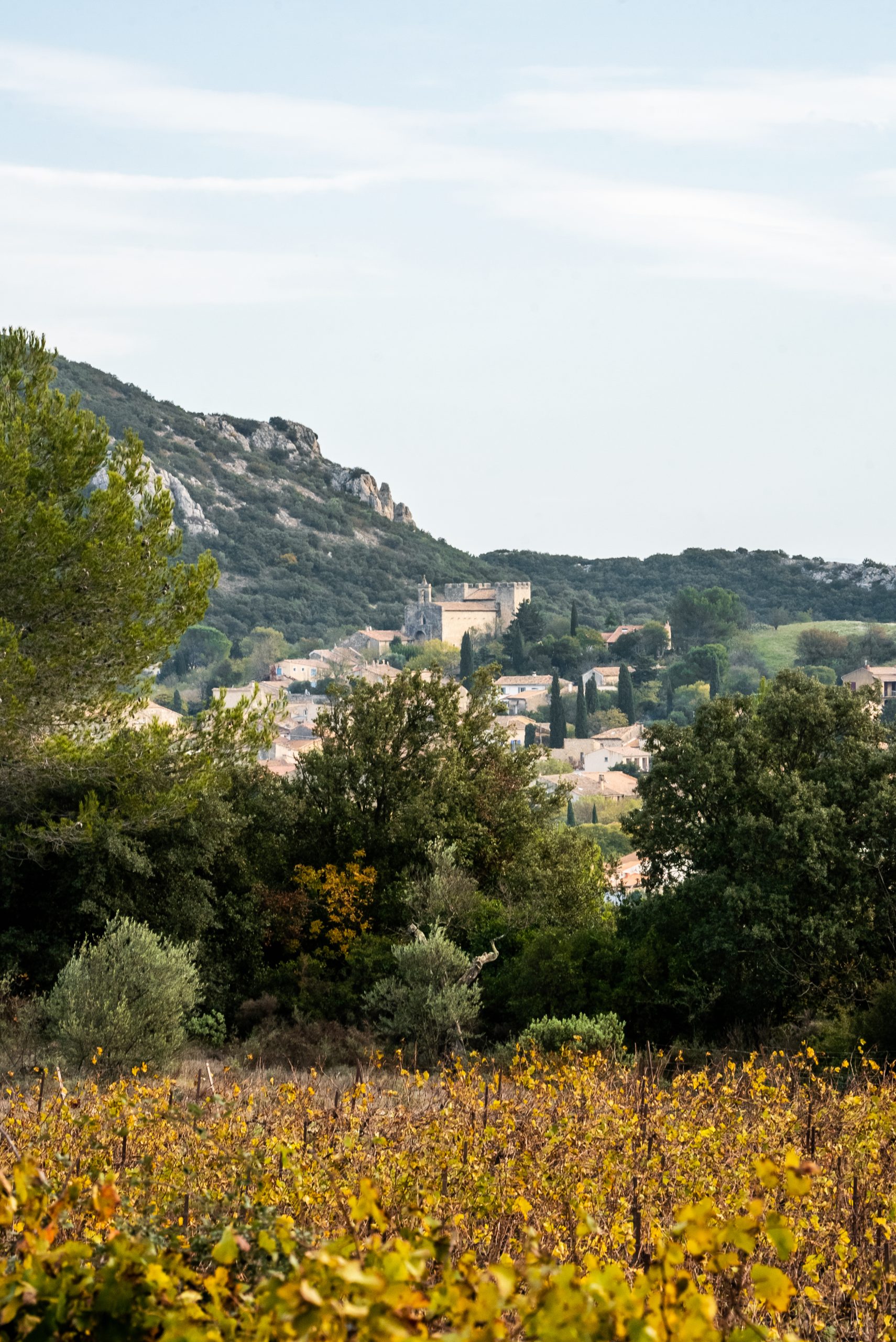
The department, and therefore the PGI, is named after the river Gardon which runs across the area. Gard brushes up against both Languedoc and the Rhone Valley – its capital city Nîmes is virtually equidistant from Avignon and Montpellier. Gard is located in the furthermost corner of the Occitanie region, siding towards Provence, and it is home to a mosaic of landscapes. There are mountains – like Mont Aigoual and Mont Bouquet – a mountainous area called the Cevennes, the Cevennes foothills, the plains, garrigue, the Camargue and the coast. Sixty-five percent of the region is either a natural environment and/or farmland.
Colors
Rouge
40 %
Rosé
40 %
Blanc
20 %
Main grape varieties
Autorized for the Reds
- Carignan
- Grenache
- Cinsault
- Syrah
- Merlot
- Cabernet Sauvignon
Main grape varieties
Authorized for the Rosé
- Carignan
- Grenache
- Cinsault
- Syrah
- Merlot
- Cabernet Sauvignon
Main grape varieties
Authorized for the Whites
- Grenache blanc
- Vermentino
- Roussanne
- Viognier
- Bourboulenc
terroir
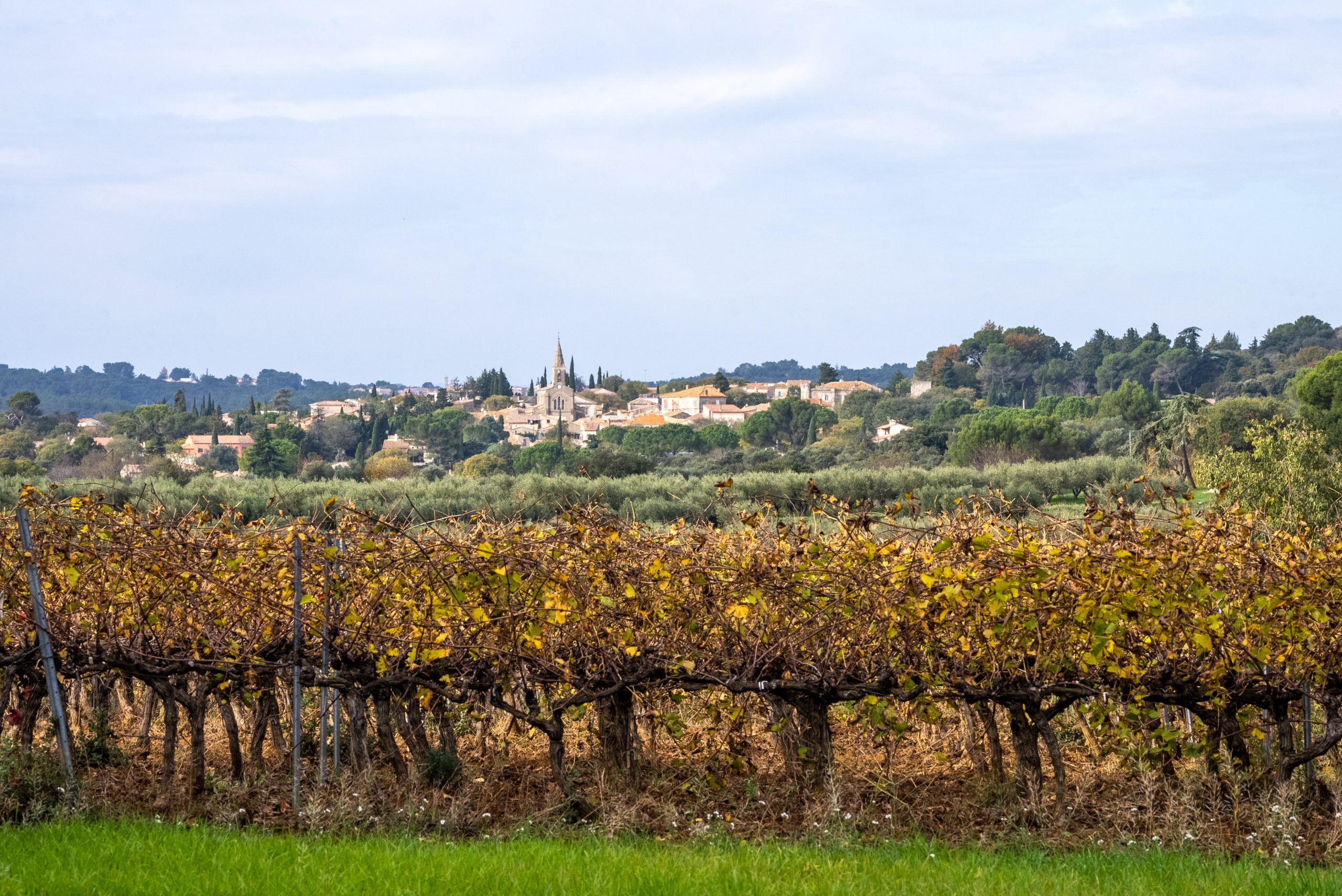
From the foothills of the Cevennes to the edge of the Camargue and the Mediterranean, the vineyards are buffeted by the strong Mistral wind, or gentler sea breezes creating airflow. They are rooted on steep hillsides but also across the valley floors or limestone garrigue land. Although their extensive footprint is steeped in a Mediterranean atmosphere, there are also myriad climatic and geological nuances which shape multiple, diminutive vineyard sites.
Here, the wines are extremely expressive. The reds, designed either to be laid down or for early-drinking, can display powerful aromas like liquorice notes, or very fresh red fruit scents which are also found in the rosés, but in a less intense way. The same variety shows through in the whites, some of which are delicate and ethereal.

History
The region is home to a combination of striking ancient heritage, including Roman vestiges like the Pont du Gard and the Arena in Nîmes, but also remnants of mediaeval times. This variety is mirrored in the long-standing history of wine here, punctuated by wars of religion in the North, along with a close-knit sense of community across the area. Its history is also marked by the development of roads, which boosted the prosperity of the wine region.