


La Clape
Between Narbonne and the Mediterranean
Between Narbonne and the Mediterranean,
the almost insular vineyards of La Clape are well worth discovering for their very long history, the quality of their wines and their breathtaking landscapes.
La Clape and its geography
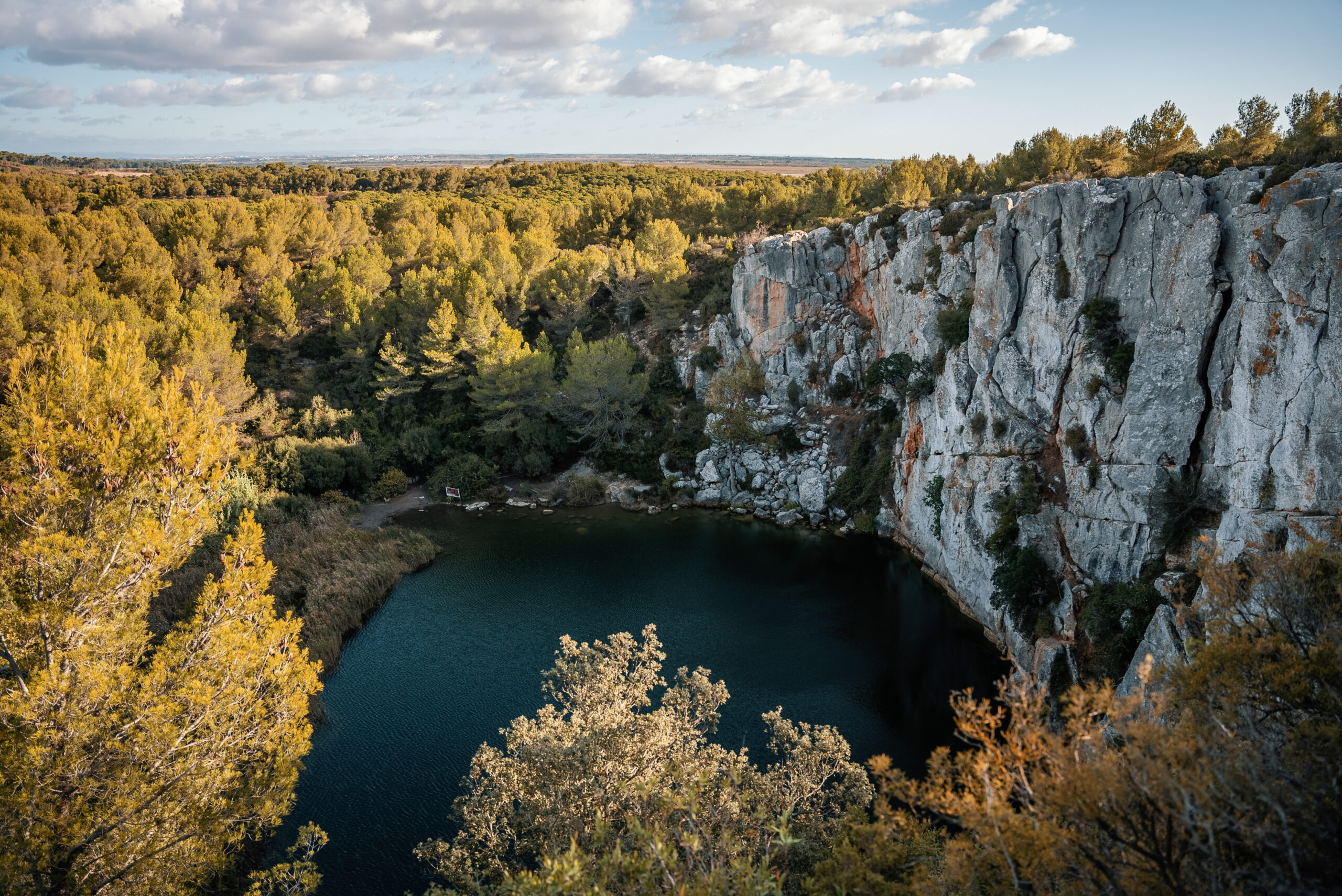
Located between the city of Narbonne to the west and the Mediterranean Sea to the east, the appellation extends for 17 kilometres from north to south and approximately the same distance from east to west. Much of its vineyard area lies across the eponymous La Clape Massif, nestled between the sea and the city.
Foundation
2015
Territory
6
municipalities
Production
807 HA
Producers
25 independent wineries
3 co-operatives
Colors
Red
84 %
White
16 %
Main grape varieties
Autorized for the Reds
- grenache
- mourvèdre
- syrah
- carignan
- cinsault
Main grape varieties
Authorized for the Rosé
Main grape varieties
Authorized for the Whites
- bourboulenc
- clairette
- grenache blanc
- piquepoul
- marsanne
- rolle
Read more : www.la-clape.com
Terroir & wines
Unlike most of the region’s appellations where the influence is full-on Mediterranean, here it doubles up with an Atlantic influence due to its transitional location between the hot, dry Mediterranean climate and the cool, damp weather rising off the Atlantic. There are two different prevailing winds – the westerly Cers and the sea breeze that blows across from the Mediterranean. These very distinctive weather patterns – combined with another seminal aspect of terroir, geology, which here is characterised by clay-limestone, lacustrine limestone and schist – have a very noticeable effect on the nature of the vineyards, starting with the varietal range. In other parts of Languedoc, Carignan, Mourvèdre, Grenache, Syrah and Cinsault take the lead role. Here, the three latter varieties share the limelight – and the list of authorised grapes – with less customary Languedoc cultivars: Bordeaux stars Merlot, Cabernet Franc and Cabernet-Sauvignon; Cot, aka Malbec in Cahors; and Fer Servadou, which is commonly grown in Aveyron and in the Gaillac appellation area near Albi.

History
Inevitably, blends of these different varieties birth intense, profound wines with a distinctive persona, that have the ability to fuse hallmark Mediterranean perfumes of garrigue and spices with assertive red or even black fruit notes stemming from Atlantic grapes. Consequently, the fresh red and moreish rosé wines from Cabardès have a character all of their own, which in itself is a pretty impressive achievement!