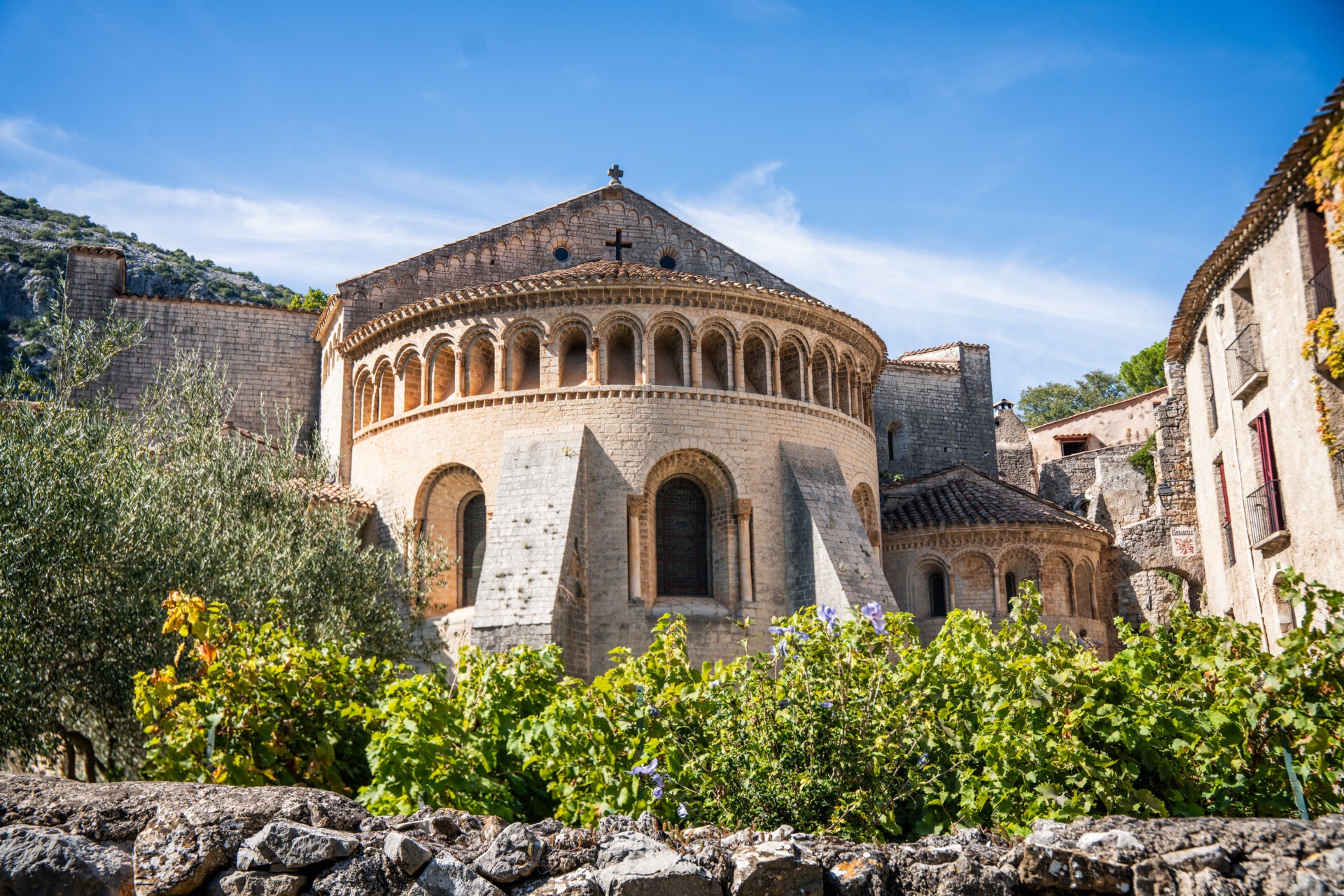


Saint-Guilhem-le-Désert
The must-see destination!
Saint-Guilhem-le-Désert is not just a mecca
for holidaymakers in Languedoc – it is also set in the heart of a very interesting, namesake PGI !
PGI Saint-Guilhem-le-Désert and its geography
Nestled between the cliffs that line the Hérault gorges, Saint-Guilhem is undoubtedly one of the most visited sites in Languedoc. And it is most certainly worth a trip. The village is not just picture-postcard beautiful, though, it is also located in the heart of the PGI that has been named after it. The setting is typically Mediterranean with its garrigues, its pine groves, and its vineyards!
Colors
Rouge
29 %
Rosé
43 %
Blanc
28 %
Main grape varieties
Autorized for the Reds
- Cabernet Sauvignon
- Cinsault
- Grenache
- Mourvedre
- Merlot
Main grape varieties
Authorized for the Rosé
- Mourvedre
- Cinsault
- Pinot Noir
- Grenache
- Marselan
Main grape varieties
Authorized for the Whites
- Chardonnay
- Sauvignon Blanc
- Marsanne
- Roussanne
- .Viognier
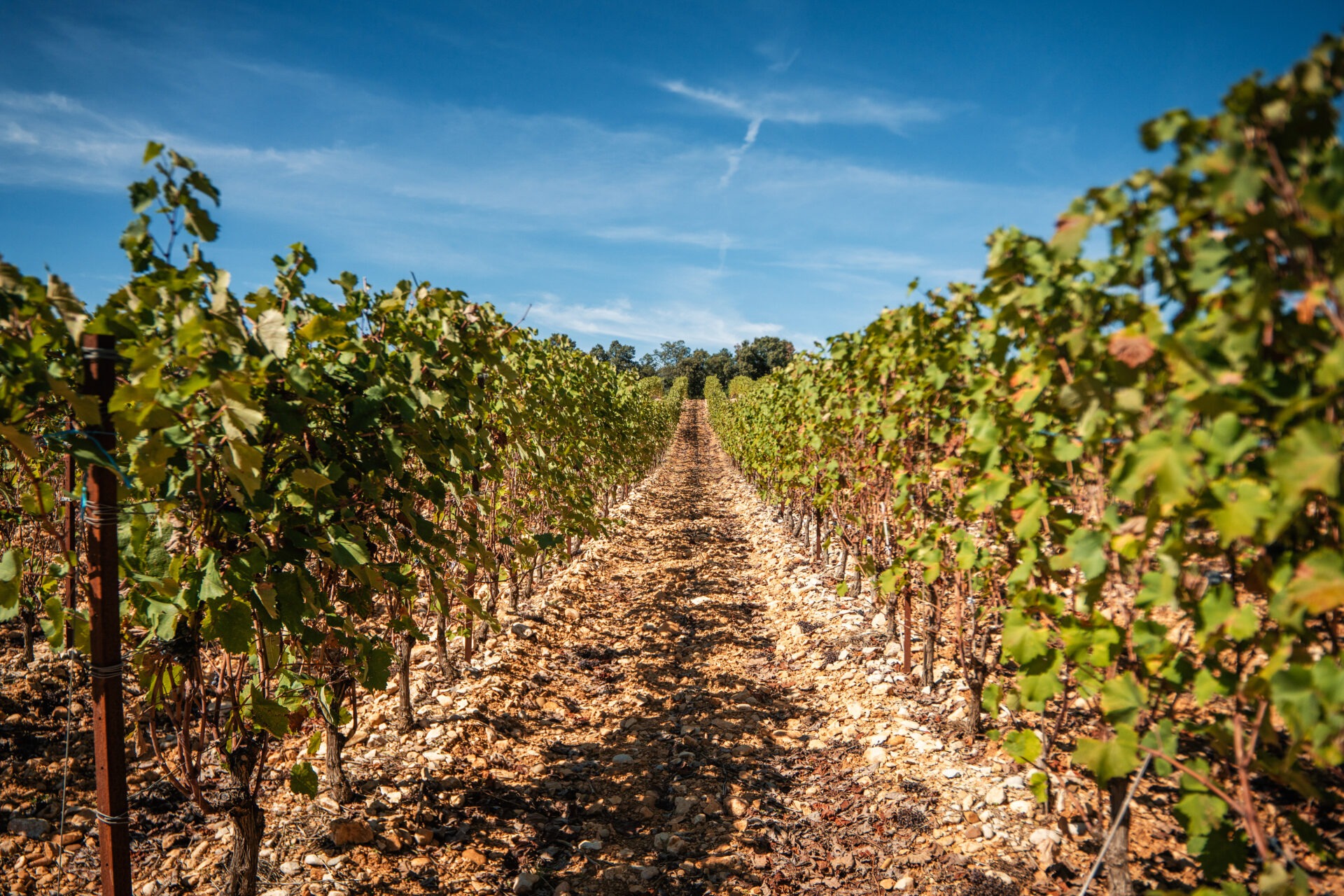
terroir
The local geology has a dominant theme – limestone, in all its variations. Climate often plays second fiddle to geology when referring to ‘terroir’, but here it is a crucial aspect. In these inland parts of Languedoc the maritime influence is not as strong as it is elsewhere and diurnal shift is significant and ideal for promoting balance in the PGI-endorsed white, rosé and red wines.
Surrounded by the garrigue, the vines and their fruit are inevitably instilled with its delectable aromas. The wines display an endearing roundness that offers a token of their deep-rooted Mediterranean identity.

History
A stage along the Camino de Santiago, Saint-Guilhem-le-Désert is an absolute treasure of Romanesque art, warranting it a listing as Unesco World Heritage. The Romans came here, with their knowledge of winegrowing under their belt. In the Middle Ages, Benedictine monks from the abbeys of Aniane and Saint-Guilhem-le-Désert played a pivotal role as vineyard custodians. Subsequently, at the end of the 19th century, booming trade also secured the future of vineyards.