

Haute Vallée de l’Aude
Languedoc and beyond!
Mediterranean, Pyrenees and Atlantic…
are the three key words that describe this PGI whose character is based on these three influences.
Be prepared for some excitement!
PGI Haute Vallée de l’Aude and its geography
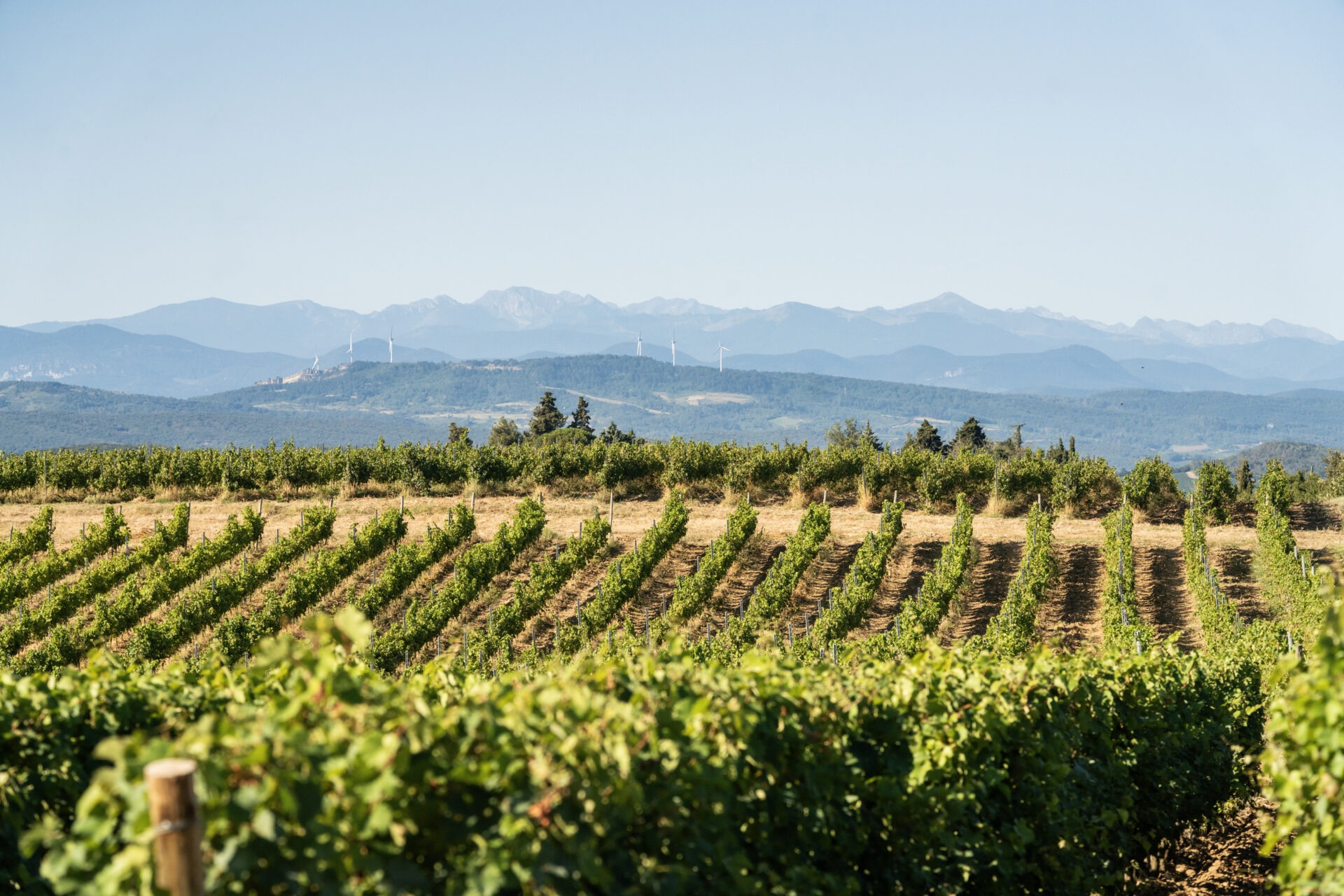
A cursory glance at the map of vineyards across Languedoc reveals that PGI de la Haute Vallée de l’Aude is located in the far south-westerly part of the region. This location is at the root of the PGI’s very distinctive identity through two critical factors: the oceanic influence rising off the Atlantic, along with the nearby Pyrenees which lead to vines being planted in high-elevation sites – sometimes over 500 metres above sea level – and the grapes to ripen fairly late.
Colors
Rouge
57 %
Rosé
2 %
Blanc
41 %
Main grape varieties
Autorized for the Reds
- Cabernet Sauvignon
- Cabernet Franc
- Côt
- Syrah
- Merlot
Main grape varieties
Authorized for the Rosé
- Meunier
- Pinot Gris
- Pinot Noir
- Cabernet Sauvignon
- Merlot
Main grape varieties
Authorized for the Whites
- Chardonnay
- Sauvignon Blanc
- Viognier
- Pinot Blanc
- Chenin Blanc
terroir
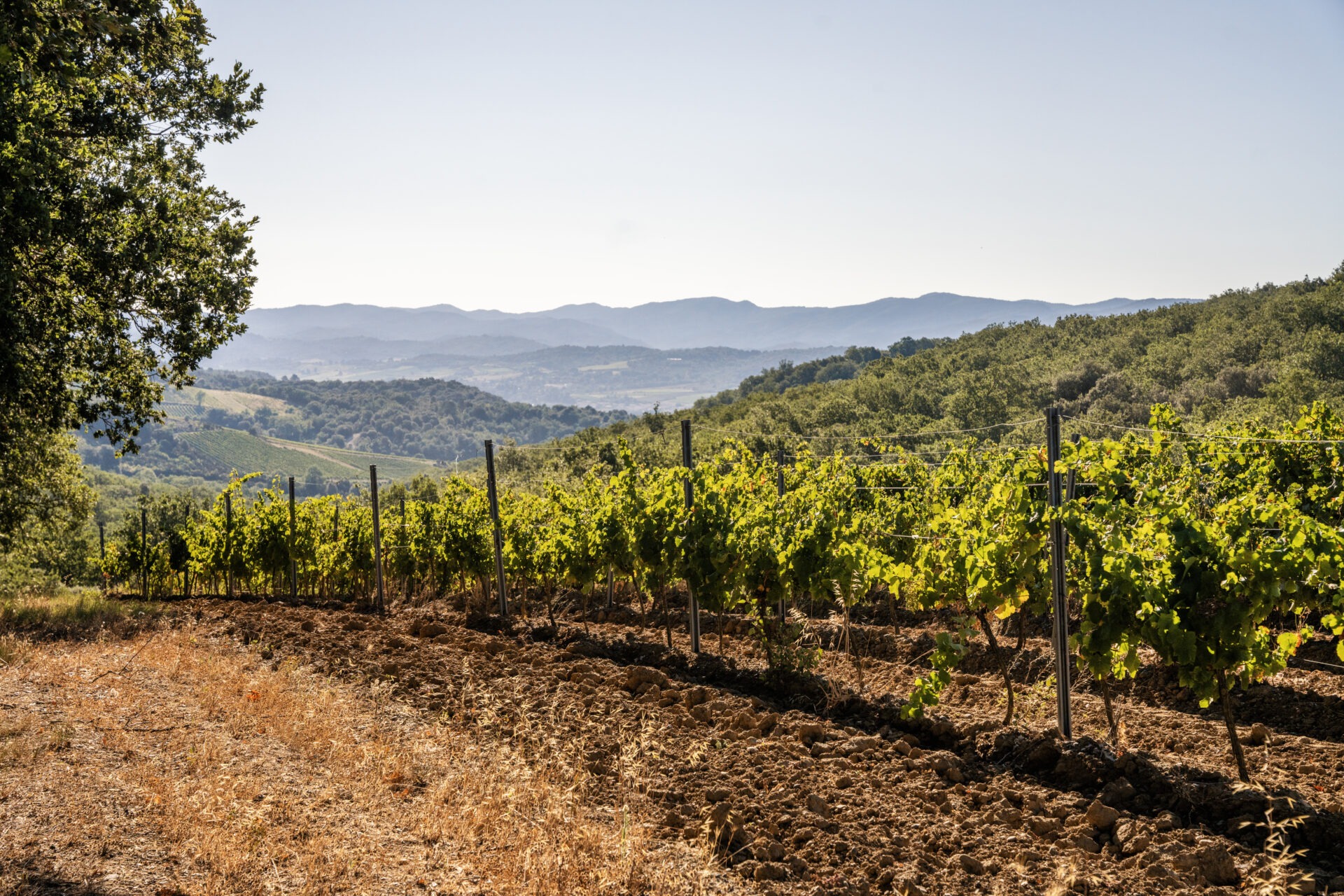
High elevations in certain areas, a climate where oceanic dovetails with Mediterranean, complex soil geology formed on molasse, limestone and clay or ancient alluvium, and a diverse array of Atlantic and Mediterranean grape varieties – not to mention the Loire’s typical Chenin varietal – all factor into the legitimacy of PGI Haute Vallée de l’Aude. The designation area stretches from the outskirts of Carcassonne to the end of the Aude gorges.
The wines are made from local and non-local grape varieties and are mostly red or white – their unique character stems from this varietal combination. The white wines are not necessarily Mediterranean in style – poised with ideal balance, they conjure up aromas of white-fleshed fruits, subtle floral notes and occasionally some honey notes. The deeply-coloured reds exude red and black fruit aromas with peppery notes on the nose and lots of energy on the palate. They show at their finest after being decanted. The rosés can forego decanting and deliver red fruit, spice or anise-like notes as soon as the bottle is opened.

History
A document dated 931 provides evidence of the extremely ancient history of vines in this area. It has certainly been an eventful history, like in all wine regions, but also one that in all likelihood will continue positively into the future. That’s because the natural surroundings of the vineyards – particularly the altitude – mitigate the impact of climate change, instilling abundant freshness and balance in the wines.