

Côtes de Thau
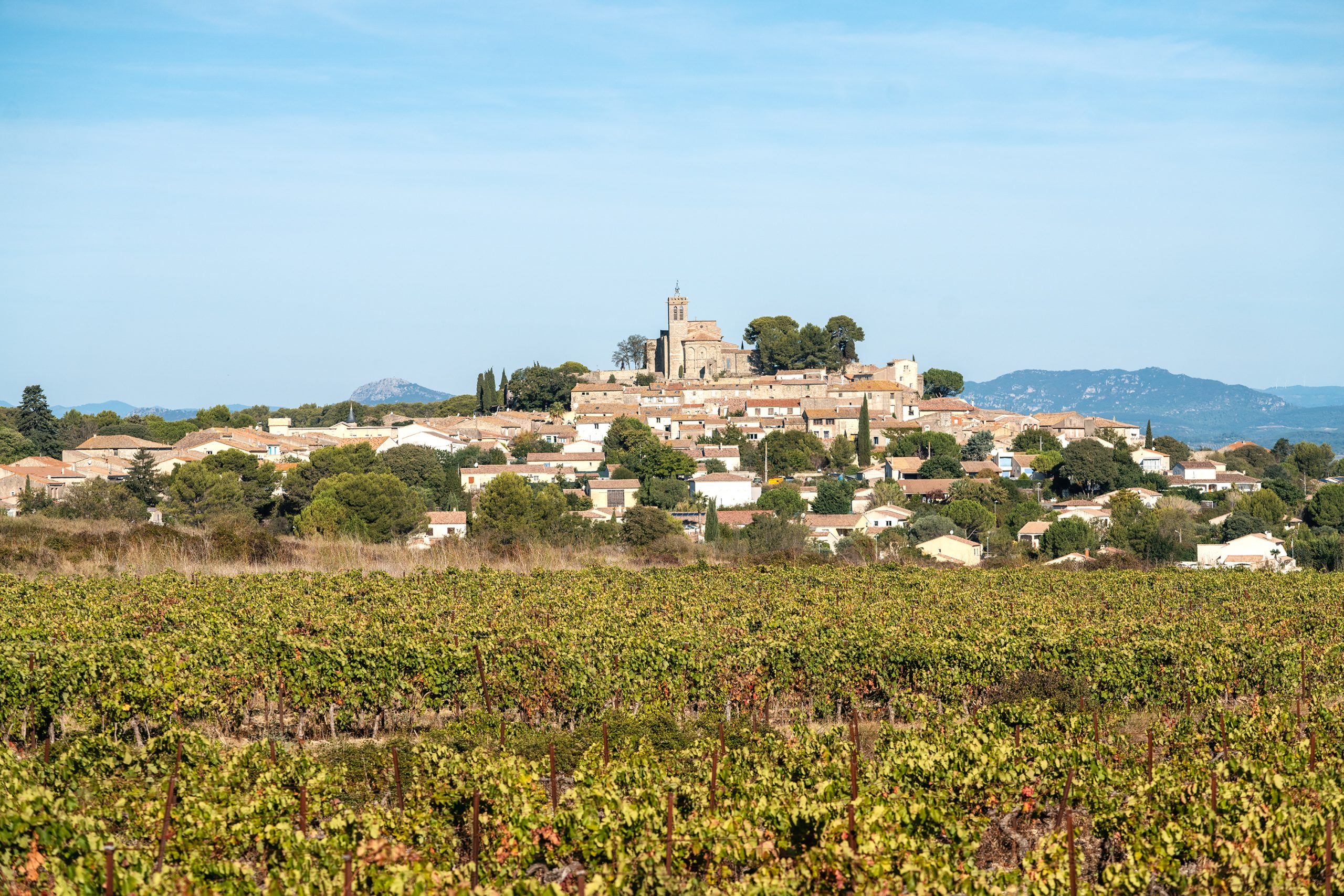
Côtes de Thau, a sea of vines
A land of rolling hills!
Here, production of red wines pales in comparison to that of whites and rosés,
offering a great opportunity to find the perfect companions for oysters farmed in the namesake lagoon…
PGI Côtes de Thau and its geography
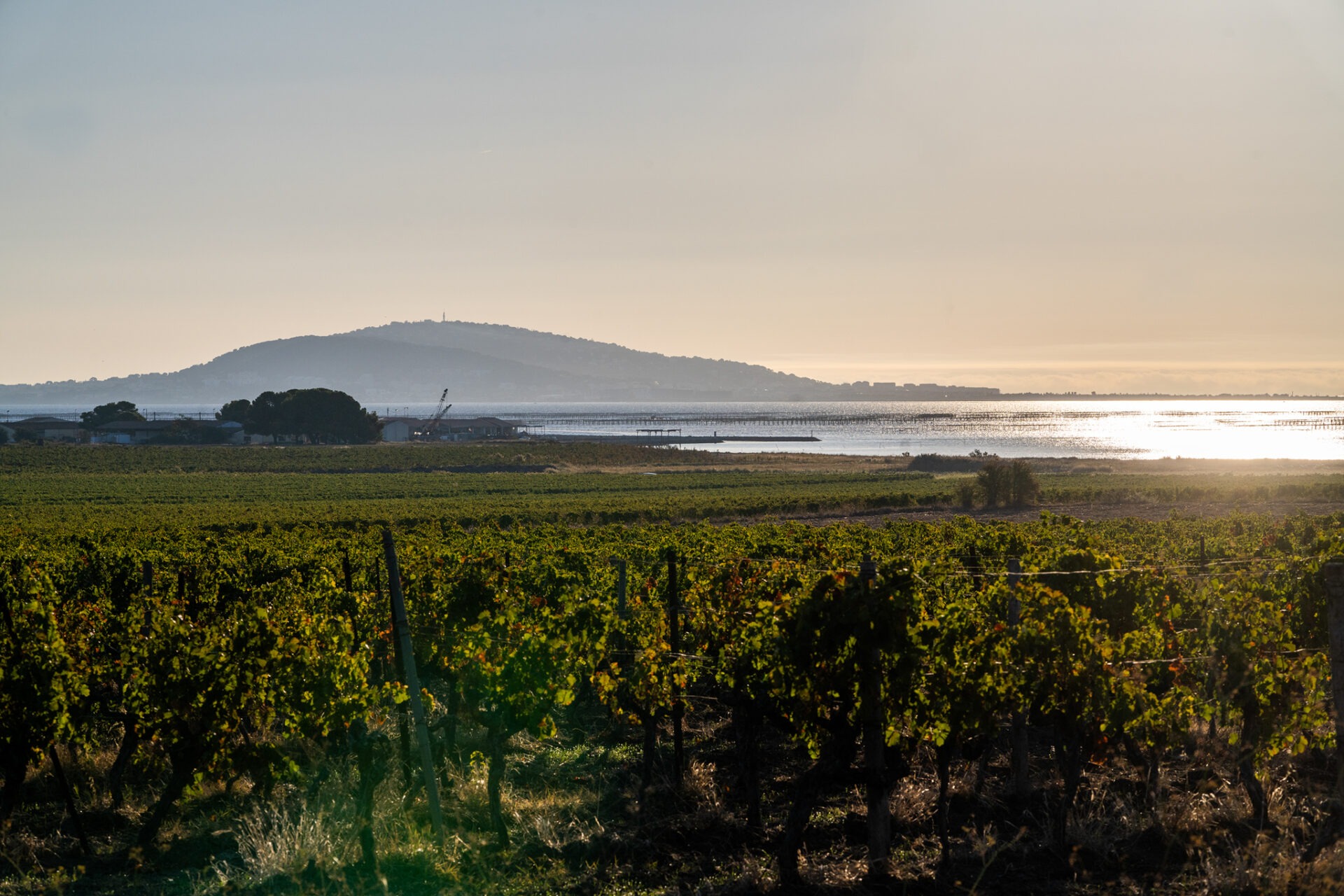
This PGI is most certainly not the remotest of the Languedoc designations and it is named for its proximity to Thau lagoon whose waters converge with those of the Mediterranean in the canals located in the storied town of Sète. The primary activity around the lagoon is oyster farming, typified by the large frames where oysters are bred and raised on ropes. Some parts of the wine region enjoy spectacular views over this unique landscape.
Colors
Rouge
7 %
Rosé
49 %
Blanc
44 %
Main grape varieties
Autorized for the Reds
- Alicante boucher
- Lledoner pelut
- Grenache
- Piquepoul noir
Main grape varieties
Authorized for the Rosé
- Alicante boucher
- Lledoner pelut
- Grenache
- Piquepoul noir
Main grape varieties
Authorized for the Whites
- Grenache Gris
- Bourboulenc
- Viognier
- Carignan blanc
terroir
This is by no means the steepest, most rugged Languedoc wine region – rather, it is established over rolling, low-elevation hills. The soils are fairly light and relatively deep, spanning a variety of nuances, from red to beige and sandy-silt to sandy-clay. Another factor that defines the vineyard sites, and therefore the wines, is the climate.
The maritime setting mitigates the heat spikes typical of the Mediterranean climate, which is a blessing for producing beautifully balanced whites. Forget any images of heady Mediterranean wines on steroids – the reds and rosés focus on delicate fruit-driven harmony whilst the whites are vibrantly articulate with traces of citrus fruits, white-fleshed fruits and subtle iodine-like notes.

History
People have been settled around Thau lagoon since time immemorial, with evidence pointing back to the late Neolithic era. Over the centuries, oysters, spas, tourism and of course winegrowing have established their role as pillars of the local economy. From the 17th century onwards, the wine region – particularly the area around Marseillan – was hugely successful with its oxidative wines designed to be drunk as an aperitif. Nowadays, classic rosés and whites lead the way.